
Pregnancy is a beautiful journey, but for those with scoliosis, it can feel like a rollercoaster ride with a few unexpected twists. Imagine trying to balance a growing belly while navigating the ups and downs of a spine that’s already got a mind of its own. It’s like trying to play Twister while wearing a blindfold—challenging but not impossible!
Understanding Scoliosis
Scoliosis is an abnormal curvature of the spine that often emerges during childhood or adolescence. Many individuals may not notice the condition until it progresses, causing physical discomfort and potential complications.
What Is Scoliosis?
Scoliosis involves a sideways curve in the spine. In a normal spine, there’s a natural curve when viewed from the side, but scoliosis creates an abnormal “S” or “C” shape when viewed from behind. The curvature can range from mild to severe and may lead to uneven shoulders or hips, affecting posture and alignment.
Causes and Types of Scoliosis
Scoliosis can be classified into several types based on its origin. Idiopathic scoliosis, the most common form, arises without a known cause and typically occurs during growth spurts. Congenital scoliosis develops due to a spinal deformity present at birth. Neuromuscular scoliosis occurs due to conditions like cerebral palsy or muscular dystrophy, affecting muscle control and strength. Each type requires specific consideration, especially during pregnancy, as hormonal changes and physical demands evolve.
Impact of Scoliosis on Pregnancy
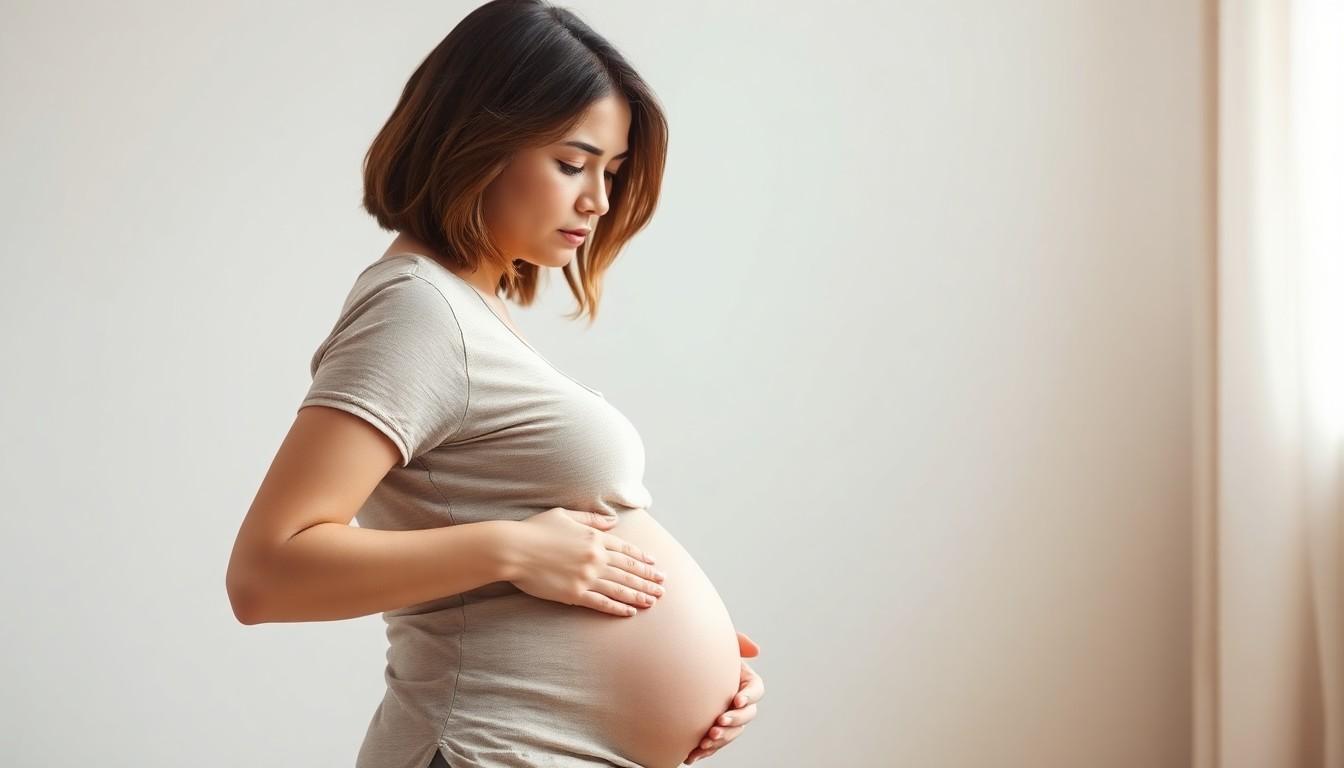
Scoliosis complicates pregnancy in various ways. Managing physical and emotional challenges becomes essential for pregnant individuals with this condition.
Physical Challenges
Pregnant individuals with scoliosis often experience discomfort due to postural changes. The growing belly increases strain on the spine, which can exacerbate existing pain. Many report difficulty sleeping as they adjust their sleeping positions to accommodate their curves. Weight gain during pregnancy places additional pressure on the spine, potentially leading to reduced mobility. Physical therapy provides benefits by improving strength and flexibility. Regular check-ups with healthcare professionals help manage these changes effectively.
Emotional and Psychological Aspects
Pregnancy can evoke anxiety, especially for individuals with scoliosis. Concerns about labor, delivery, and the effects of scoliosis on their newborns often surface. Self-image may decline due to changing body shape and physical limitations. Support networks play a crucial role in coping with these emotional challenges. Connecting with other mothers who share similar experiences may alleviate feelings of isolation. Mental health professionals can offer targeted strategies to reduce anxiety and promote well-being throughout the pregnancy journey.
Managing Scoliosis During Pregnancy
Managing scoliosis during pregnancy involves unique medical and physical considerations. Pregnant individuals must navigate these challenges effectively to ensure their health and comfort.
Medical Considerations
Consulting with healthcare providers is essential for pregnant individuals with scoliosis. Regular monitoring allows practitioners to assess changes and adjust care as needed. Specialists may recommend imaging studies, such as X-rays, to evaluate spinal curvature during pregnancy. Medications should be used cautiously, as some may not be safe during this period. Pain management strategies can include safe over-the-counter options. Understanding the specific type of scoliosis helps tailor medical advice to fit unique needs. Keeping an open dialogue with obstetricians and orthopedic specialists aids in creating a comprehensive care plan.
Physical Therapy and Exercise
Incorporating physical therapy can significantly enhance comfort during pregnancy. Tailored exercises strengthen core muscles and increase flexibility, ultimately reducing back pain. Engaging in low-impact activities, such as swimming or walking, remains beneficial. Gentle stretching routines help relieve tension in the back and improve mobility. A physical therapist can provide personalized programs that consider the individual’s specific scoliosis type and symptoms. Practicing good posture also minimizes strain on the spine. Fostering a routine that balances activity and rest promotes overall well-being for pregnant individuals managing scoliosis.
Scoliosis Treatment Options During Pregnancy
Scoliosis treatment during pregnancy focuses on non-invasive methods and careful surgical considerations if necessary. Expectant individuals often seek relief through various supportive treatments that won’t interfere with their pregnancy.
Non-Invasive Treatments
Physical therapy serves as a primary non-invasive option. It emphasizes tailored exercises that strengthen core muscles, improve flexibility, and enhance posture. Gentle stretches alleviate discomfort caused by scoliosis. Additionally, prenatal yoga offers effective techniques to promote relaxation and body awareness. Supportive braces or belly bands might relieve pressure on the spine. Hydrotherapy activities like swimming reduce stress on joints while providing a low-impact workout. Expecting mothers often find comfort in consistent physical activity, which can counteract back pain and improve overall well-being.
Surgical Considerations
Surgery typically isn’t recommended during pregnancy unless absolutely necessary. Most surgical procedures require significant recovery time, which can complicate postpartum care. If a serious condition arises that threatens the mother or baby, consultation with a specialist is crucial for evaluation. Pre-existing surgical hardware often allows for limited movements without further intervention. Healthcare providers must carefully weigh the risks versus benefits in such circumstances. Regular monitoring of the condition throughout pregnancy remains important, as it helps manage potential complications. Overall, proactive communication between providers and patients leads to better outcomes during challenging times.
Post-Pregnancy Considerations for Women with Scoliosis
Post-pregnancy, women with scoliosis face unique challenges that require thoughtful attention. Recovery can significantly vary based on individual circumstances.
Recovery and Rehabilitation
Recovery focuses on rebuilding strength and flexibility. Physical therapy plays a crucial role in this process. Engaging in targeted exercises helps regain core stability and improve posture. Gentle stretching eases muscle tension, promoting comfort. Gradually introducing low-impact activities like walking and swimming supports overall well-being. Maintaining open communication with healthcare providers ensures tailored rehabilitation plans that address specific needs.
Long-Term Effects
Long-term effects may include changes in spinal alignment caused by pregnancy. Weight gain alters body dynamics, influencing how the spine carries stress. Many women report increased back pain post-delivery, necessitating ongoing management strategies. Consistent physical therapy and monitoring play vital roles in addressing these concerns. Some individuals experience improvements in mobility and strength, especially with dedicated exercise routines. Regular check-ins with medical professionals can help track progress and adjust care plans as needed.
Conclusion
Navigating pregnancy with scoliosis presents unique challenges that require careful consideration and support. While the journey may feel overwhelming at times, individuals can manage their symptoms and maintain their well-being with the right strategies and resources. Prioritizing physical therapy, maintaining open communication with healthcare providers, and fostering a supportive network can significantly enhance the experience.
Embracing the journey with a proactive mindset can help expectant parents adapt to their changing bodies and prepare for the joys of welcoming a new life. With the right approach, individuals can find balance and strength throughout their pregnancy journey, ensuring a healthier and more fulfilling experience.

