
Navigating the world of pregnancy tests can feel like a rollercoaster ride, complete with unexpected twists and turns. One moment, you’re filled with hope, and the next, you’re squinting at a test strip like it’s a magic eye puzzle. Enter the infamous pregnancy evaporation line—a sneaky little trickster that can leave hopeful parents scratching their heads and questioning reality.
Understanding Pregnancy Evaporation Line
Pregnancy evaporation lines appear on urine tests as a result of evaporation of the urine inside the test window. This line can create confusion, especially for those awaiting confirmation of pregnancy. Many tests display this faint line after the urine has dried out, leading users to misinterpret it as a positive result.
Individuals must know that evaporation lines can manifest regardless of whether pregnancy has occurred. Operators often miss the subtle color differences between an evaporation line and a positive line, perpetuating uncertainty. Evaporation lines usually appear lighter and less defined than the actual positive result.
Some factors contribute to the visibility of an evaporation line. Using lower-quality tests can increase the likelihood of evaporation lines forming, as can waiting too long to read the test results. It’s best to consult the specific brand’s instructions, as timing varies among different tests.
To differentiate between a positive line and an evaporation line, analyzing the test shortly after the recommended time frame helps. Positive results typically show a solid line or a distinct color change that stands in contrast to the background. Observing any changes in color or boldness remains vital to accurate interpretation.
Pregnancy tests are designed for specific sensitivity levels, which impacts their effectiveness. Testers should prioritize using high-quality tests and follow directions carefully to minimize the risk of misinterpreting results. Seeking guidance from healthcare providers when in doubt ensures accurate understanding and emotional clarity during this significant time.
Causes of Pregnancy Evaporation Lines
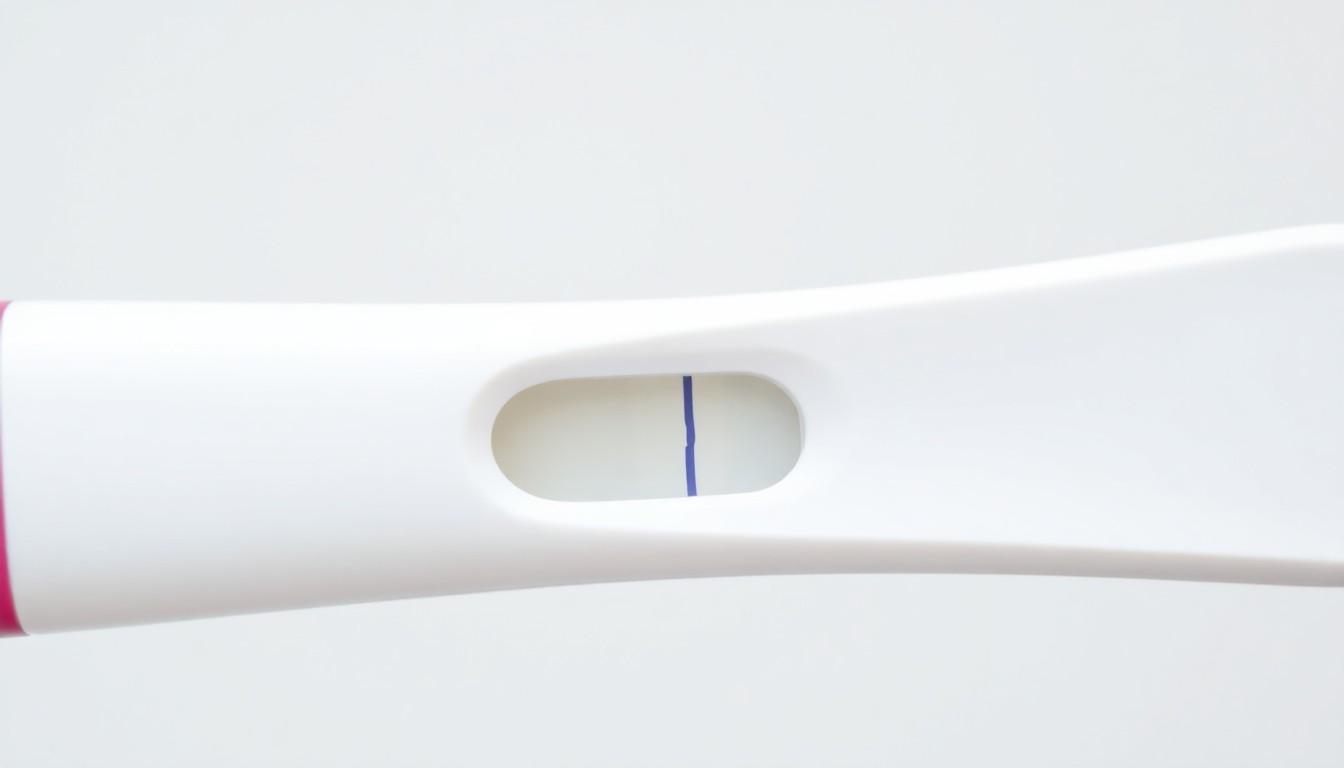
Understanding the causes of evaporation lines can help discern accurate results during pregnancy testing. Several key factors contribute to the appearance of these misleading lines.
Hormonal Changes
Hormonal fluctuations occur during pregnancy, specifically with the rise of human chorionic gonadotropin (hCG). Increased levels of this hormone lead to various changes in the body. Tests may detect low levels of hCG in early pregnancy, resulting in faint lines. Testing too early might not yield strong positives, leading to confusion with evaporation lines. As the levels of hCG rise, clear results typically follow. Recognizing these hormonal shifts is crucial for understanding test outcomes.
Test Sensitivity
Test sensitivity significantly affects the likelihood of evaporation lines appearing. Higher-quality pregnancy tests detect lower concentrations of hCG, providing clearer results. Tests with lower sensitivity may produce faint or unclear lines, increasing the chance of misinterpretation. Users should closely follow manufacturer instructions and the recommended waiting period for optimal accuracy. Taking different brands into account enables informed choices about testing methods. Choosing a high-sensitivity test can reduce confusion surrounding evaporation lines.
How to Identify an Evaporation Line
Identifying an evaporation line requires careful observation of specific characteristics. Understanding the features enhances the accuracy of pregnancy test interpretations.
Color and Clarity
Evaporation lines often present as faint, colorless streaks. They contrast with positive lines, which appear darker and more pronounced. A clear absence of color in the line suggests it does not indicate pregnancy. Test clarity is essential; a line that is too light or difficult to see usually signals an evaporation line rather than a positive result. Variations in test design can also affect line visibility, so reviewing the manufacturer’s guidelines is beneficial. Testing against a white background can improve contrast, confirming whether the line belongs to evaporation or a genuine positive.
Timing of the Test
Timing significantly impacts the ability to distinguish between evaporation lines and positive results. Proper timing means reading the test within the recommended window, typically within 3 to 10 minutes after taking the test. Waiting longer increases the risk of seeing an evaporation line as the urine on the test strip dries out. Fresh results that appear within the accurate time frame usually reflect more reliable outcomes. Testing too early might show faint lines due to low hCG levels. Adhering to manufacturer instructions ensures timely reading, minimizing confusion and enhancing clarity in interpreting results.
Implications of a Positive Test Result
A positive pregnancy test result carries significant implications. Confirming pregnancy often brings joy, anticipation, and preparation for new beginnings.
Confirming Pregnancy
Confirming pregnancy begins with a positive test result. Taking a follow-up test several days later can provide additional clarity. Users should consider visiting a healthcare provider for verification through blood tests or ultrasounds. Blood tests can detect lower levels of hCG, offering earlier confirmation than urine tests. Ultrasounds provide visual confirmation of pregnancy and can assess fetal health at an early stage. Many find that confirming through professional methods reduces uncertainty and enhances confidence in their pregnancy.
When to Consult a Doctor
Consulting a doctor becomes essential after a positive test result to ensure appropriate care. Any concerns about symptoms or health should prompt a visit. Symptoms such as heavy bleeding, severe cramping, or pain warrant immediate medical attention. Early prenatal care supports a healthier pregnancy by monitoring development and addressing potential issues. Healthcare providers often guide necessary lifestyle changes and assist in prenatal vitamins for optimal health. Seeking medical advice promotes better understanding and management of pregnancy-related changes and expectations.
Conclusion
Understanding pregnancy evaporation lines is crucial for anyone navigating the emotional landscape of pregnancy testing. These lines can easily lead to confusion and uncertainty. By recognizing the characteristics of evaporation lines and the importance of timing and test quality, individuals can make more informed decisions.
Consulting healthcare providers after a positive test result remains essential for confirming pregnancy and ensuring appropriate care. This proactive approach not only alleviates anxiety but also sets the stage for a healthy pregnancy journey. By prioritizing accurate testing and seeking medical guidance, individuals can embrace the excitement of new beginnings with confidence.

