
Navigating the world of pregnancy can feel like a rollercoaster ride—exciting, terrifying, and full of unexpected twists. For some expectant parents, this journey takes a few extra loops, leading them to the realm of high-risk pregnancies. Enter the superheroes of maternal care: high-risk pregnancy doctors. These specialists don’t just wear capes; they bring a wealth of knowledge and expertise to ensure both mom and baby stay safe and healthy.
With their keen insight into potential complications, these doctors are like the GPS for your pregnancy journey, guiding you through the bumps and turns. Whether it’s managing pre-existing conditions or addressing new concerns, they’re ready to tackle challenges head-on. So buckle up and get ready to meet the professionals who turn anxiety into confidence and uncertainty into reassurance, making high-risk pregnancies a little less daunting and a lot more manageable.
Understanding High Risk Pregnancy
High-risk pregnancy refers to a condition where a mother or baby faces an increased likelihood of complications. Various factors contribute to this classification. Age, health issues, and lifestyle choices play significant roles in determining risk levels.
Doctors diagnose high-risk pregnancies based on specific criteria. Expectant mothers over 35 years old encounter heightened risks. Those with chronic conditions, such as diabetes or hypertension, experience additional challenges. Furthermore, multiple gestations, like twins or triplets, increase complication rates.
Care during high-risk pregnancies requires specialized attention. High-risk pregnancy doctors, or maternal-fetal medicine specialists, focus on managing potential issues. They monitor both the mother’s and baby’s health closely. Regular ultrasounds and laboratory tests help assess development and well-being.
These doctors collaborate with healthcare teams to provide comprehensive care. They develop tailored plans for delivery, considering the safest options for both mother and child. Counseling and education regarding lifestyle modifications assist in managing underlying health conditions during pregnancy.
Support networks also offer invaluable resources. Hospitals may provide access to prenatal classes that cover high-risk pregnancy topics. Counseling services address emotional and psychological aspects of navigating complications.
Continuous communication with the healthcare team ensures expectant mothers remain informed and involved. Staying proactive regarding health can significantly influence outcomes. Those experiencing a high-risk pregnancy benefit from reassurance and guidance, empowering them throughout their journey.
Importance of High Risk Pregnancy Doctors
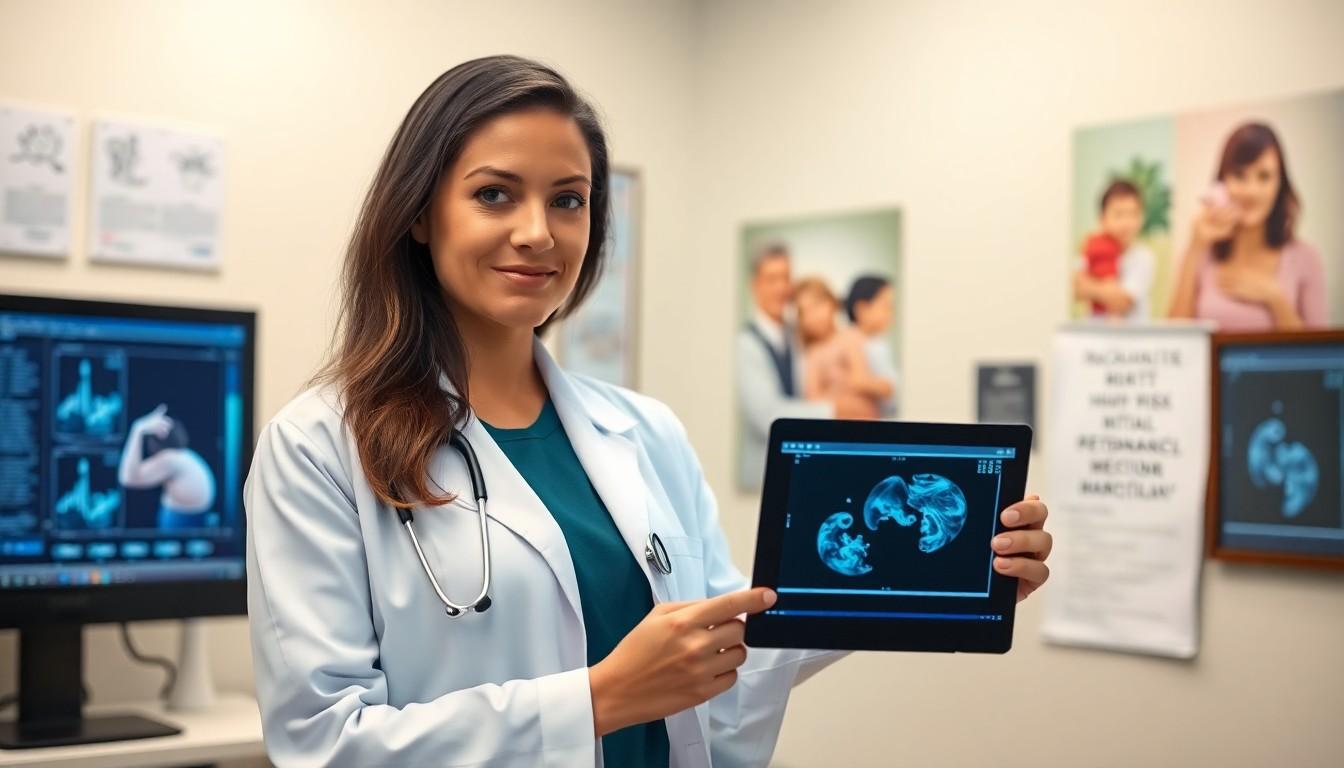
High-risk pregnancy doctors play a critical role in ensuring the safety and health of mothers and their babies. They address the complexities of high-risk pregnancies, which can arise from various factors.
Role in Maternal Health
Maternal health significantly benefits from the expertise of high-risk pregnancy doctors. These specialists monitor risks associated with age, chronic conditions, or multiples during pregnancy. They provide ongoing assessments through regular ultrasounds and laboratory tests, identifying complications early. Managing conditions like diabetes or hypertension becomes easier with the guidance of these professionals, as they tailor treatment plans specific to each patient’s needs. Regular communication empowers expectant mothers, enabling informed decisions and reducing anxiety during the pregnancy journey.
Specialized Training and Expertise
Specialized training sets high-risk pregnancy doctors apart from other healthcare providers. They undergo additional education in maternal-fetal medicine, equipping them with in-depth knowledge about potential complications. This expertise enables them to devise precise delivery plans that prioritize safety for both mother and baby. Collaboration with a multidisciplinary healthcare team enhances care, ensuring comprehensive support throughout pregnancy. Such specialists also provide education on lifestyle modifications, helping manage health risks effectively. Continuous professional development keeps these doctors informed about the latest research, improving patient outcomes and enhancing the care process.
Services Offered by High Risk Pregnancy Doctors
High-risk pregnancy doctors provide essential services tailored to the unique needs of expectant mothers facing increased risks. They prioritize both maternal and fetal health through specialized care.
Detailed Assessments and Evaluations
High-risk pregnancy doctors conduct comprehensive assessments to identify potential complications. They utilize advanced imaging techniques, such as high-definition ultrasounds and echocardiograms, to monitor fetal development closely. Blood tests evaluate underlying health issues, providing insights into conditions like gestational diabetes or hypertension. Regular evaluations ensure prompt detection of any changes in the mother’s or baby’s well-being. Physicians also review medical histories and lifestyle factors, facilitating a holistic understanding of each patient’s circumstances. These detailed assessments lay the groundwork for appropriate interventions that maximize safety during pregnancy.
Customized Care Plans
Customized care plans play a critical role in managing high-risk pregnancies effectively. Doctors collaborate with pregnant individuals to establish tailored strategies addressing specific health needs. Factors influencing these plans include the patient’s age, medical history, and any existing health conditions. Regularly scheduled appointments allow adjustments based on ongoing evaluations. Healthcare professionals may recommend specialized therapies, nutritional guidance, and exercise plans to promote optimal health. This personalized approach boosts the patient’s confidence and ensures they remain informed throughout their pregnancy journey. High-risk pregnancy doctors emphasize the importance of shared decision-making, ultimately enhancing care quality and outcomes.
Finding the Right High Risk Pregnancy Doctor
Choosing the appropriate high-risk pregnancy doctor is crucial for ensuring a healthy outcome. Several key factors influence this decision.
Factors to Consider
Doctor qualifications matter greatly. Look for specialists in maternal-fetal medicine who have board certification. Experience also plays a vital role; prioritize those with years of practice managing high-risk pregnancies. Location can impact convenience and accessibility for regular visits. Consider hospitals and clinics affiliated with the doctor, as quality facilities enhance care options. Communication style should also align; choose a doctor who listens and addresses concerns effectively. Before settling, ensure the doctor’s approach suits individual needs, offering a combination of compassion and competence.
Questions to Ask During Consultations
Asking the right questions helps gauge a doctor’s suitability. Inquire about their experience with specific risk factors that apply to you, such as age or chronic health issues. Understand the available testing options and how frequently the doctor recommends monitoring. Explore their approach to delivery planning and postpartum care. Clarifying availability for emergencies is essential; ensure the doctor is reachable during critical times. Finally, discuss the healthcare team structure; understanding who will be involved in care can provide peace of mind.
Conclusion
Navigating a high-risk pregnancy can be daunting but having the right support makes all the difference. High-risk pregnancy doctors play a vital role in ensuring both the mother and baby’s health. Their specialized training and collaborative approach empower expectant mothers to make informed decisions.
By focusing on personalized care and continuous monitoring, these professionals help manage risks effectively. With the right high-risk pregnancy doctor, mothers can feel more confident and supported throughout their journey. Prioritizing communication and understanding in the healthcare team fosters a positive experience, ultimately leading to better outcomes for both mother and child.

