In a world where tiny humans are making big impacts, eco baby clothes are the superhero capes every little one needs. Not only do these adorable outfits keep your baby looking stylish, but they also save the planet one onesie at a time. Who knew that dressing your little bundle of joy could come with a side of environmental responsibility?
What Are Eco Baby Clothes?
Eco baby clothes refer to garments designed specifically for infants, crafted from environmentally friendly materials. These outfits prioritize organic fabrics such as cotton and bamboo, often free from harmful chemicals and pesticides. The production processes emphasize sustainability, featuring low-impact dyes and ethical labor practices.
Parents choose eco baby clothes for various reasons. They promote a safer skin environment for babies since these fabrics reduce the risk of allergic reactions. Sustainability remains key, as these clothes contribute to reducing waste and pollution in the textile industry.
Designs often come in vibrant colors and patterns, appealing to modern parents keen on aesthetics. What’s more, many manufacturers focus on durability, ensuring that garments withstand the rigors of daily wear and washing.
Additionally, eco baby clothes can be sourced from brands dedicated to ethical practices. Purchasing from these companies supports environmental conservation efforts while prioritizing responsible consumerism. Families seeking to minimize their carbon footprint find these options particularly appealing.
Overall, eco baby clothes represent a blend of comfort, style, and sustainability. By choosing these garments, parents influence future trends and encourage broader industry changes. With growing awareness of environmental issues, the popularity of eco-friendly clothing continues to rise among caregivers.
Benefits of Eco Baby Clothes
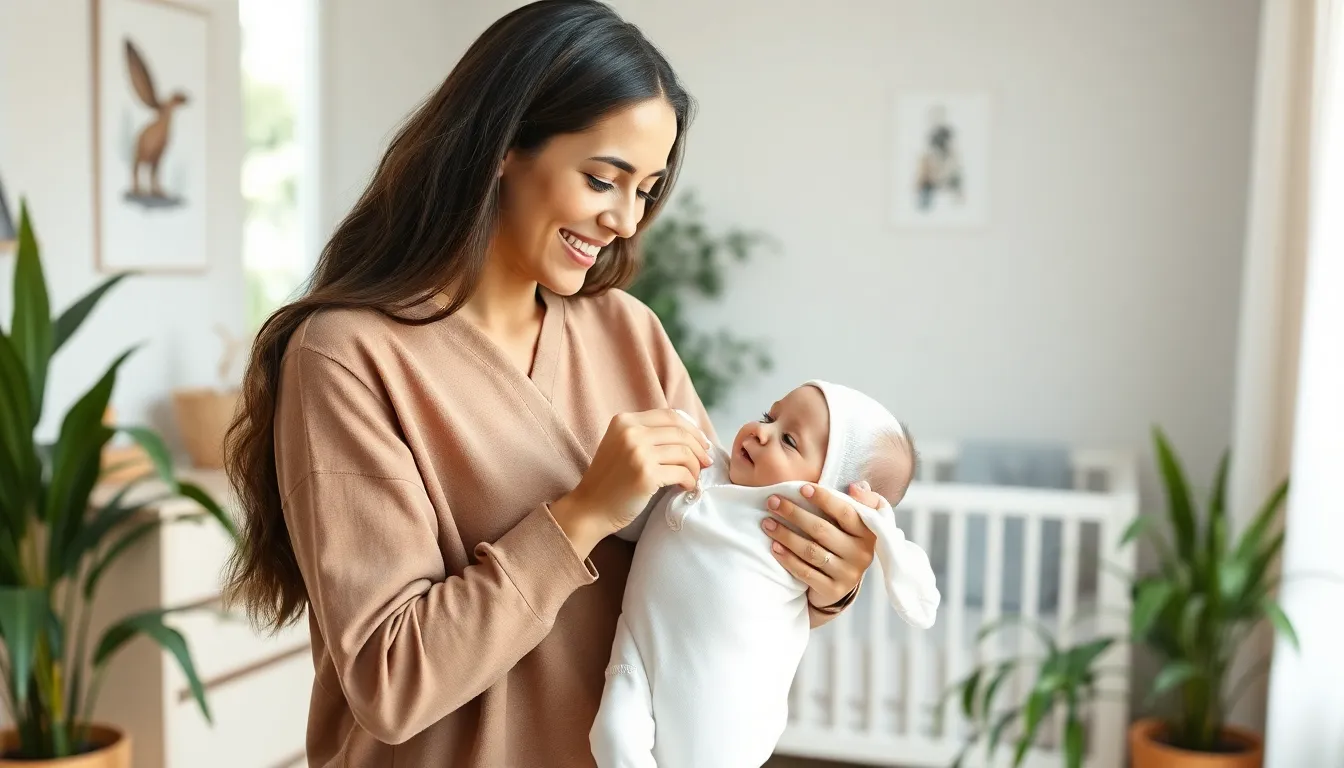
Eco baby clothes offer significant advantages for both infants and the environment. These garments promote a healthier planet and a safer home for babies.
Environmental Impact
Eco baby clothes minimize the ecological footprint of the fashion industry. Organic materials like cotton and bamboo reduce pesticide use, benefiting local ecosystems. Low-impact dyes further decrease water pollution during production. Choosing sustainable options leads to less waste in landfills, as these products often come from brands focused on responsible practices. By prioritizing ethical manufacturing, every purchase supports a circular economy, fostering environmental stewardship and awareness.
Safety for Babies
Safety remains a key reason parents select eco baby clothes. Soft, organic fabrics eliminate harmful chemicals and irritants, allowing gentle contact with a baby’s sensitive skin. These items undergo rigorous testing to ensure they meet strict safety standards. Parents find comfort knowing their little ones wear garments made without toxic substances. Additionally, eco-friendly brands often promote transparency in their materials, fostering trust among caregivers. Opting for eco baby clothes ensures a healthier environment for babies as they explore their world.
Materials Used in Eco Baby Clothes
Eco baby clothes utilize a variety of environmentally friendly materials. These fabrics provide safety and comfort for infants while promoting sustainability in the fashion industry.
Organic Cotton
Organic cotton stands out as a popular choice for eco baby clothes. Grown without harmful pesticides or synthetic fertilizers, this material is safe for babies. Softness contributes to its appeal, ensuring a gentle touch against sensitive skin. Brands that use organic cotton often prioritize sustainable farming practices. The certification process for organic cotton ensures transparency and supports environmentally responsible production. This material also encourages biodiversity by maintaining healthy ecosystems. Choosing garments made from organic cotton supports not only a healthier planet but also a safer, more comfortable experience for infants.
Bamboo Fabric
Bamboo fabric offers unique benefits in eco baby clothing. Derived from fast-growing bamboo plants, this material is biodegradable and renewable. Bamboo’s natural antibacterial properties help keep baby clothes fresh and odor-free. Softness rivals that of cotton, delivering a luxurious feel against delicate skin. The production process requires less water than conventional cotton farming, making bamboo a more sustainable option. Additionally, bamboo fabric is breathable, providing comfort in various climates. Brands committed to using bamboo fabric enable parents to make ethical, eco-friendly choices while dressing their babies.
Popular Brands of Eco Baby Clothes
Numerous brands offer eco-friendly baby clothes, each with unique features that appeal to environmentally conscious parents. Selecting these brands supports sustainability while dressing infants in stylish attire.
Brand 1 Overview
Bamboo Baby focuses on creating high-quality baby garments from sustainable bamboo fabric. Their products are renowned for softness, antibacterial properties, and comfort, making them ideal for delicate skin. This brand emphasizes eco-conscious manufacturing processes, ensuring minimal environmental impact. Bamboo Baby also prioritizes fair labor practices in its production, further appealing to socially responsible parents. With vibrant designs and durable materials, these clothes withstand daily wear and frequent washes.
Brand 2 Overview
Little Green Radicals stands out for its commitment to 100% organic cotton and GOTS certification. This British brand emphasizes sustainable practices, ensuring that each garment is free from harmful substances. Little Green Radicals focuses on playful designs, appealing to both parents and babies alike. Additionally, they guarantee fair working conditions for their producers. Their clothing lines feature bright colors and versatile styles, making them a favorite among eco-minded families. Choosing this brand further supports responsible consumerism and ethical practices in the fashion industry.
How to Care for Eco Baby Clothes
Caring for eco baby clothes ensures their longevity and maintains their environmental benefits. Follow specific guidelines to preserve the integrity of these garments.
Wash in cold water to protect fabrics and conserve energy. Using gentle, eco-friendly detergents helps maintain the softness of organic cotton and bamboo. Avoid fabric softeners as they can contain chemicals harmful to both the clothes and the environment.
Dry naturally whenever possible. Air-drying prevents shrinking and reduces energy consumption. If using a dryer, opt for a low-heat setting to minimize damage to the fibers.
Store items in a cool, dry place. This practice prevents mold growth and maintains fabric quality. Utilize breathable storage bags made from organic materials to protect against dust while allowing air circulation.
Rotate outfits regularly to give each garment a break. Frequent wear can hasten the degradation of fabrics, so alternating between various eco-friendly pieces promotes longer life.
Inspect clothes for signs of wear or stains. Prompt treatment of stains with natural remedies helps prolong the garment’s life. Avoid bleach, which can harm both the fabric and the environment.
Refer to care labels for specific instructions. Manufacturers may provide tailored guidance based on their materials and production methods. Following these instructions ensures optimal care and maintenance.
By adhering to these practices, parents can support both their baby’s style and sustainability. They contribute not only to their child’s well-being but to the planet’s health as well.
Choosing eco baby clothes is a meaningful way for parents to embrace sustainability while keeping their little ones stylish. These garments not only prioritize safety and comfort but also reflect a commitment to a healthier planet. By opting for organic materials and ethical production practices, caregivers can significantly reduce their ecological footprint.
As the demand for eco-friendly options grows, parents play a crucial role in influencing industry standards and promoting responsible consumerism. Supporting brands that focus on sustainability ensures that future generations will inherit a cleaner environment. Through thoughtful choices in baby clothing, parents can nurture both their child’s well-being and the health of the Earth.

